
No products in the cart.
Sale!
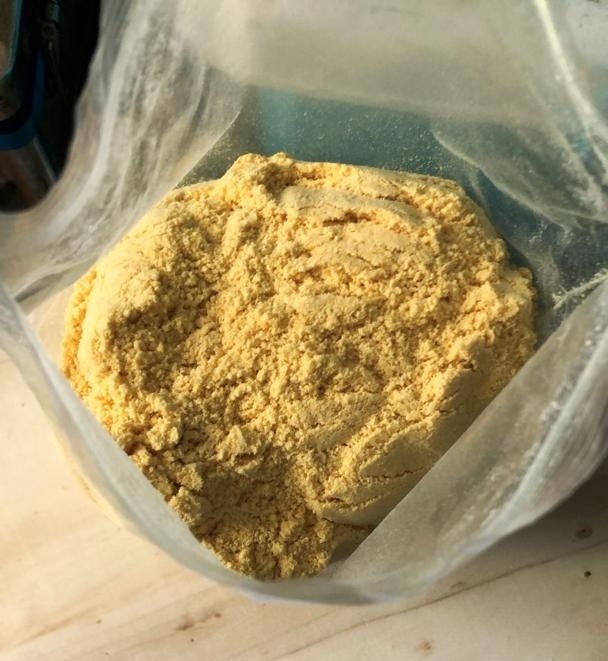
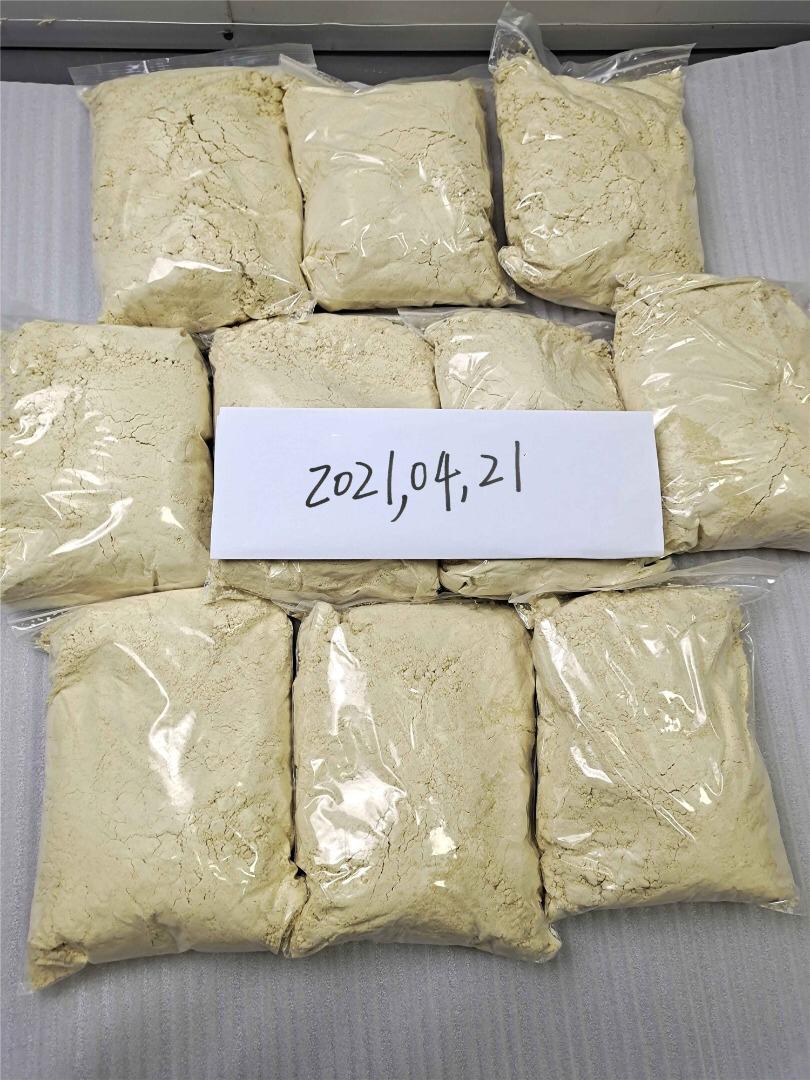
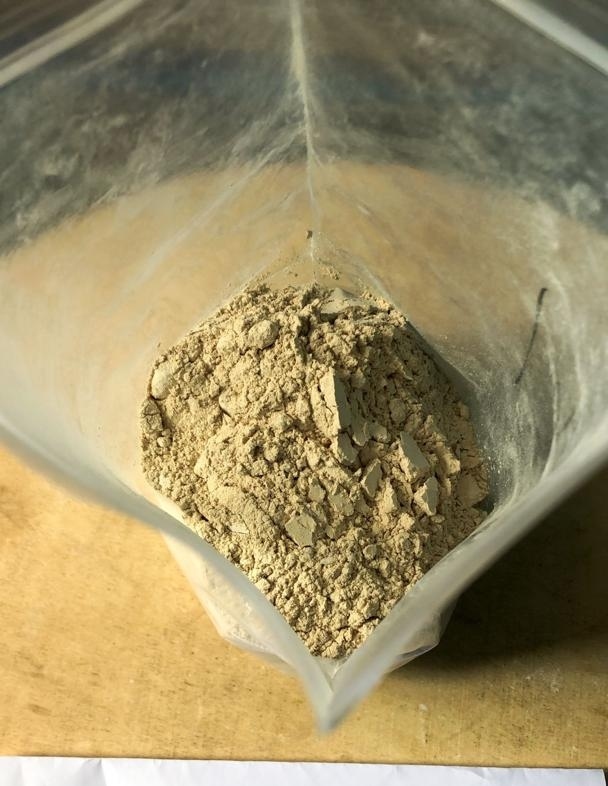
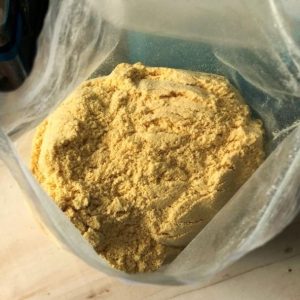
JWH-018 Powder (synthetic cannabinoid)

Original price was: $60.00.$40.00Current price is: $40.00.
General Chemical Specifications of JWH-018
| Property | Specification |
|---|---|
| Common name | JWH-018 |
| Alternative designation | AM-678 |
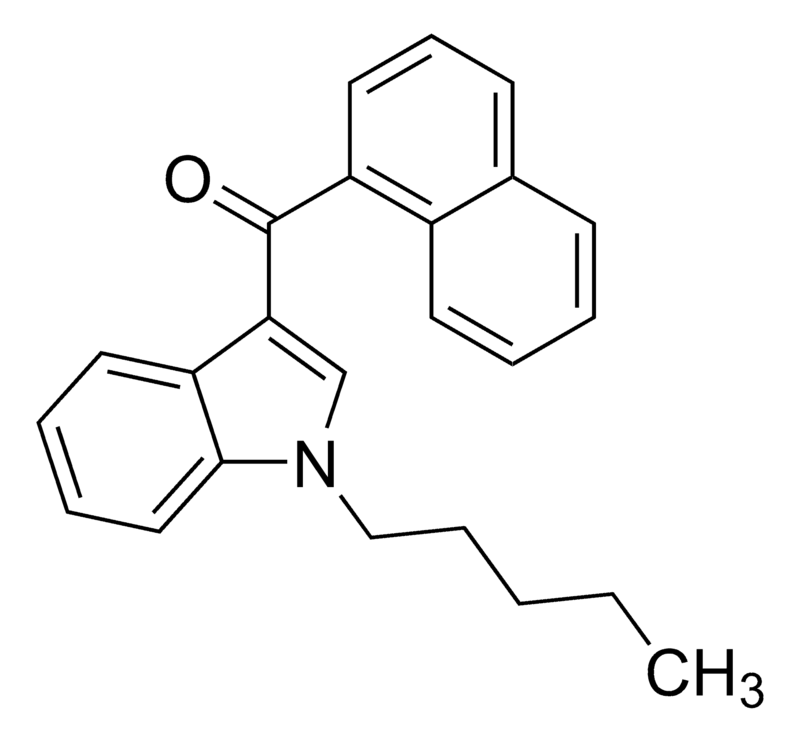
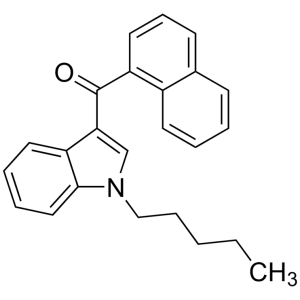
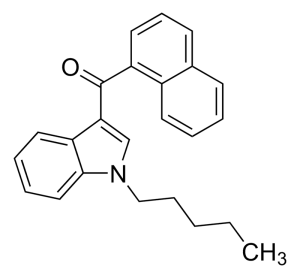
| Chemical name | 1-Pentyl-3-(1-naphthoyl)indole |
| Chemical class | Synthetic cannabinoid |
| Chemical family | Aminoalkylindole |
| Molecular formula | C₂₄H₂₃NO |
| Molecular weight | 341.45 g/mol |
| CAS Registry Number | 2092-2-? |
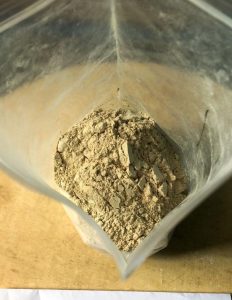
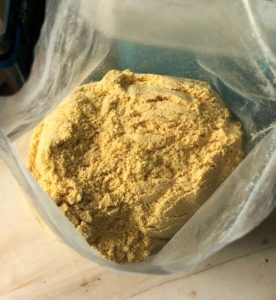
| Appearance | Typically described in chemical literature as a solid material; appearance alone cannot establish identity or purity |
| Target receptors | Cannabinoid CB1 and CB2 receptors |
| Natural or synthetic | Synthetic |
| Analytical identification | LC-MS, GC-MS and other validated laboratory techniques |
| Research category | Cannabinoid pharmacology and forensic toxicology |
JWH-018 for sale is a laboratory-produced synthetic cannabinoid and should not be considered chemically equivalent to THC or natural cannabis. For legitimate analytical or research work, identity and purity should be established using validated laboratory instrumentation rather than appearance or labeling.
Introduction
JWH-018, also known by the designation AM-678, is a synthetic cannabinoid that became widely known because of its association with early “Spice” and “K2” products. Chemically, it belongs to a family of laboratory-created compounds designed to interact with cannabinoid receptors in the body. Unlike naturally occurring cannabinoids found in the cannabis plant, jwh-018 for sale is produced synthetically and can have unpredictable effects and risks.
The substance has attracted considerable attention from forensic laboratories, toxicologists, researchers, policymakers, and public-health authorities. Its history also illustrates how rapidly the market for synthetic cannabinoids developed and how difficult it can be for regulators and laboratories to keep pace with newly appearing compounds.
In the United States, JWH-018 for sale is a controlled substance. The U.S. Drug Enforcement Administration identifies JWH-018 as 1-pentyl-3-(1-naphthoyl)indole and lists it as a Schedule I substance.
This educational profile examines JWH-018 for sale from a scientific and historical perspective rather than presenting it as a consumer product.
What Is JWH-018?
JWH-018 for sale is a synthetic cannabinoid belonging to the aminoalkylindole family. Its chemical name is 1-pentyl-3-(1-naphthoyl)indole, while AM-678 is another designation associated with the compound.
Synthetic cannabinoids are laboratory-created chemicals that can interact with cannabinoid receptors. Some compounds in this broad category were originally developed as research tools for studying the endocannabinoid system.
JWH-018 for sale became particularly prominent after synthetic cannabinoid products were marketed under names such as “Spice” and “K2.” These commercial preparations were frequently marketed in ways that could obscure their actual chemical ingredients. Government authorities subsequently introduced controls because of growing concerns about toxicity, unpredictable effects, and misuse.
JWH-018 for sale Origin and Research History
JWH-018 for sale is associated with research conducted by John W. Huffman and colleagues, whose work involved the development and study of synthetic compounds capable of interacting with cannabinoid receptors.
The scientific development of these compounds is distinct from the later recreational market. Synthetic cannabinoids were initially investigated in laboratory settings to improve understanding of cannabinoid pharmacology and receptor activity.
As synthetic cannabinoid products emerged commercially, JWH-018 became one of the compounds frequently identified in forensic analyses. U.S. authorities reported that JWH-018 for sale was being used in products marketed as “fake marijuana” or “Spice”-type products. In March 2011, the DEA announced emergency control of JWH-018 for sale and several related synthetic cannabinoids, describing the substances as posing a public-health and safety concern.
Later federal legislation placed JWH-018 for sale among synthetic cannabinoids controlled under U.S. law. DEA publications identify JWH-018 among Schedule I substances.
Chemical Classification
JWH-018 can be described using several related classifications:
Chemical family: Aminoalkylindole synthetic cannabinoid
Common designation: JWH-018
Alternative designation: AM-678
Chemical name: 1-pentyl-3-(1-naphthoyl)indole
General category: Synthetic cannabinoid / cannabimimetic compound
Its chemical structure differs substantially from naturally occurring delta-9-tetrahydrocannabinol (THC), although its pharmacological activity involves the cannabinoid receptor system.
Synthetic cannabinoids are not interchangeable with cannabis. Their pharmacology may differ significantly from THC, and individual compounds can vary considerably in potency, receptor activity, and toxicity.
Types and Related Synthetic Cannabinoids
JWH-018 belongs to a broader group of synthetic cannabinoids that includes numerous chemically related compounds. Variations can be introduced by modifying structural components such as the alkyl chain, aromatic group, or substitution pattern.
Examples documented by the DEA include:
- JWH-018
- JWH-019
- JWH-073
- JWH-081
- JWH-122
- JWH-200
- JWH-203
- JWH-250
- JWH-398
These compounds are not identical products and should not be treated as interchangeable. Their chemical structures and pharmacological properties can differ substantially. DEA documentation lists these compounds among synthetic cannabinoids subject to federal control.
General Specifications
From an analytical and educational standpoint, the following information is commonly used to identify JWH-018:
| Characteristic | Educational Description |
|---|---|
| Chemical name | 1-Pentyl-3-(1-naphthoyl)indole |
| Common name | JWH-018 |
| Alternative designation | AM-678 |
| Substance class | Synthetic cannabinoid |
| Chemical family | Aminoalkylindole |
| Intended scientific context | Cannabinoid receptor research |
| Regulatory status in U.S. | Schedule I controlled substance |
| Typical analytical methods | Chromatography and mass spectrometry |
| Commercial-product association | Historically found in some Spice/K2 products |
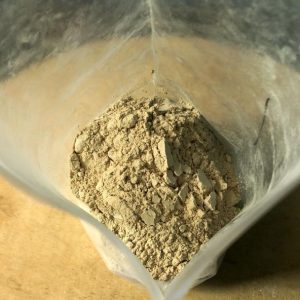
The exact physical characteristics of a laboratory sample should be established through validated analytical procedures rather than relying on appearance, labeling, or claimed purity.
For forensic identification, laboratories may use techniques including gas chromatography-mass spectrometry (GC-MS), liquid chromatography-mass spectrometry (LC-MS), Fourier-transform infrared spectroscopy (FTIR), and other validated analytical methods. DEA forensic literature describes analytical identification of synthetic cannabinoids including JWH-018.
Purity and Laboratory Analysis
Purity is an important issue when discussing synthetic cannabinoids because illicit or unregulated preparations may contain substances other than the compound named on a label.
A material advertised as containing JWH-018 cannot reliably be authenticated solely by color, texture, packaging, or a vendor description. Laboratory testing is required to determine whether a sample actually contains JWH-018 and whether other compounds or contaminants are present.
Analytical laboratories may evaluate:
Identity: Determines whether the target compound is present.
Purity: Estimates the proportion of the intended compound relative to other substances.
Contaminants: Identifies unexpected chemicals, residual solvents, degradation products, or manufacturing impurities.
Composition: Determines whether a preparation contains multiple synthetic cannabinoids.
These factors are especially important in forensic, toxicological, and research settings.
Potential Pharmacological Effects
JWH-018 interacts with the cannabinoid receptor system, particularly the CB1 receptor, which is involved in many physiological processes.
Because synthetic cannabinoids can produce strong receptor activity, their effects may differ substantially from those associated with traditional cannabis. Effects reported in connection with synthetic cannabinoid exposure can include altered perception, agitation, confusion, dizziness, rapid heart rate, anxiety, and changes in consciousness.
Severe cases may involve seizures, cardiovascular problems, psychosis, or other medical complications. The unpredictability of these substances is one reason public-health agencies have expressed concern about synthetic cannabinoid products.
It is therefore inappropriate to describe JWH-018 as having established therapeutic “benefits.” The compound is not an FDA-approved medicine, and its controlled status reflects significant regulatory and public-health concerns. The FDA notes that only specific cannabis-related prescription medicines have been approved through its drug-approval process; this does not establish JWH-018 as an approved therapeutic substance.
Potential Research Benefits
Although JWH-018 should not be promoted as a consumer therapeutic, its scientific history is relevant to cannabinoid research.
Research involving synthetic cannabinoids has helped scientists investigate:
Cannabinoid receptor pharmacology: Synthetic compounds can be used to study receptor activity and signaling.
Structure-activity relationships: Comparing related molecules can help researchers understand how chemical structure influences biological activity.
Forensic toxicology: Reference compounds support the development and validation of analytical methods.
Drug detection: Knowledge of synthetic cannabinoid structures can improve laboratory screening and identification.
Public-health surveillance: Understanding newly emerging compounds helps authorities monitor trends in synthetic-drug exposure.
These are research and scientific applications rather than evidence of consumer health benefits.
Risks and Safety Concerns
Synthetic cannabinoids carry significant safety concerns because their effects can vary according to the specific compound, concentration, route of exposure, contaminants, and individual factors.
One major challenge is that commercial products historically sold under generic names did not necessarily contain the same chemical from one batch to another. A product labeled “Spice,” for example, could contain one or several different synthetic cannabinoids.
This makes predictable dosing and risk assessment particularly difficult.
Reported problems associated with synthetic cannabinoid exposure have included:
- Anxiety and severe agitation
- Confusion and disorientation
- Hallucinations or psychotic symptoms
- Rapid heart rate
- Elevated blood pressure
- Loss of consciousness
- Seizures
- Vomiting
- Dangerous behavioral changes
- Potential cardiovascular and neurological complications
Anyone experiencing serious symptoms following suspected synthetic cannabinoid exposure should seek urgent medical evaluation.
Legal and Regulatory Status
Legal status varies by jurisdiction, but JWH-018 for sale is heavily controlled in the United States.
The DEA first used emergency scheduling authority in 2011 to control JWH-018 and several other synthetic cannabinoids. The agency stated that, except as authorized by law, possession and sale of the chemicals or products containing them became illegal in the United States under that emergency action.
DEA publications subsequently identify JWH-018 for sale as a Schedule I substance. Schedule I substances are defined by the DEA as having a high potential for abuse and no currently accepted medical use under federal law.
Because regulations differ between countries and can change, anyone dealing with controlled substances for legitimate scientific purposes should consult the applicable laws and licensing requirements in their jurisdiction.
Why “JWH-018 for Sale” Can Be Misleading
Online references to phrases such as “JWH-018 for sale” can be problematic because the same phrase may refer to controlled substances, research references, mislabeled chemicals, or illicit products.
Search results and online listings are not proof of legality, authenticity, purity, or safety.
A credible scientific description should distinguish between:
- historical research information;
- analytical reference materials handled under applicable regulations;
- controlled substances;
- illicit recreational products; and
- unrelated or mislabeled substances.
This distinction is particularly important when evaluating online claims about purity, legality, origin, or intended use.
Frequently Asked Questions
What is JWH-018?
JWH-018 is a synthetic cannabinoid also known as AM-678. Its chemical name is 1-pentyl-3-(1-naphthoyl)indole. It became widely associated with synthetic cannabinoid products such as Spice and K2.
Is JWH-018 natural cannabis?
No. JWH-018 for sale is a synthetically produced cannabinoid compound and is chemically distinct from plant-derived cannabis compounds.
Is JWH-018 the same as THC?
No. JWH-018 for sale and THC are chemically different compounds. Both can interact with cannabinoid receptors, but their molecular structures and pharmacological profiles are not the same.
Is JWH-018 legal in the United States?
JWH-018 for sale is federally controlled as a Schedule I substance in the United States. DEA materials identify it explicitly under the controlled-substance framework.
Was JWH-018 used in Spice products?
JWH-018 has been identified in synthetic cannabinoid products historically marketed as Spice or K2. U.S. authorities specifically described JWH-018 as one of the substances used to make “fake pot” products.
Does JWH-018 have medical benefits?
JWH-018 for sale should not be described as an approved medicine or as having established therapeutic benefits. Its scientific significance is primarily related to cannabinoid research and forensic analysis.
How is JWH-018 identified in a laboratory?
Laboratories can use validated analytical techniques such as GC-MS and LC-MS to identify synthetic cannabinoids. DEA forensic publications document analytical approaches involving JWH-018.
Can appearance confirm whether a sample is JWH-018?
No. Visual inspection cannot reliably establish chemical identity or purity. Instrumental laboratory analysis is required for dependable identification.
What are synthetic cannabinoids?
Synthetic cannabinoids are laboratory-created chemicals capable of interacting with cannabinoid receptors. They comprise many different chemical families and should not be assumed to have identical effects.
Why are synthetic cannabinoids considered risky?
Their effects can be unpredictable because compounds vary in potency, composition, and receptor activity. Products may also contain unexpected substances or contaminants.
Conclusion
JWH-018 is an important compound in the history of synthetic cannabinoid research and forensic toxicology. Known chemically as 1-pentyl-3-(1-naphthoyl)indole and also designated AM-678, it became especially prominent through its appearance in early Spice and K2-type products.
Its history demonstrates the difference between scientific research and unregulated recreational markets. While synthetic cannabinoids can provide valuable tools for studying cannabinoid receptor pharmacology and improving analytical science, JWH-018 for sale is not an approved therapeutic product and is federally controlled in the United States.
Be the first to review “JWH-018 Powder (synthetic cannabinoid)”
Related products
Sale!
Pain killers Meds
Price range: $5.00 through $15.00
This product has multiple variants. The options may be chosen on the product page
Reviews
There are no reviews yet.